10 Surprising Benefits of Cryotherapy for Recovery and Wellness
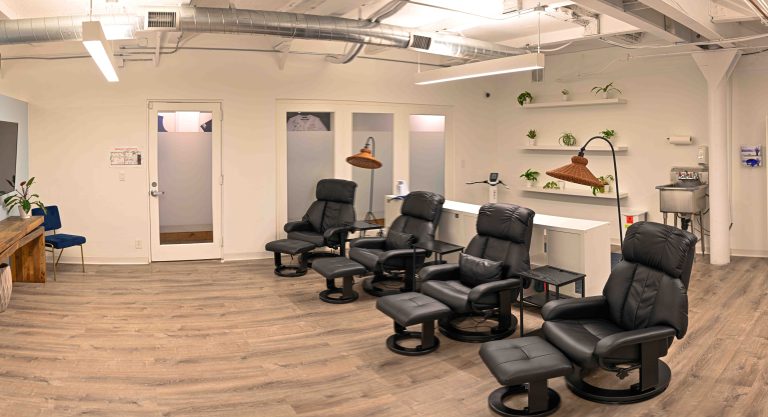

Cryotherapy tends to get filed under one of two labels. For some people, it is a serious recovery tool used by athletes, physical therapists, and busy professionals trying to manage soreness and fatigue. For others, it looks like a wellness trend built for social media, all vapor, neon lights, and bravado. The truth sits somewhere between those extremes.
At its simplest, cryotherapy exposes the body to very cold temperatures for a short period of time. That might mean a whole-body cryotherapy chamber, a localized cryotherapy device aimed at a specific joint or muscle, or older standbys like ice baths and cold-water immersion. The methods differ, the temperatures differ, and the evidence base is stronger for some forms than others. Even so, the underlying idea is familiar to anyone who has ever used an ice pack after a hard workout or a swollen ankle.
What surprises many first-time users is that the appeal of cryotherapy is not just about numbing pain. In practice, people often notice a wider set of effects, some immediate, some cumulative, and some highly dependent on timing, training load, sleep, and overall health. Used well, it can support recovery and day-to-day wellness in ways that go beyond the usual talking points.
It can reduce soreness without leaving you feeling flat
The most obvious benefit is relief from post-exercise soreness, but the surprising part is how quickly some people feel more functional. Delayed onset muscle soreness often peaks a day or two after hard training, especially after eccentric work such as downhill running, heavy squats, or a return to sport after time off. Cold exposure can blunt that sore, bruised sensation and make normal movement feel easier.
That matters because soreness is not just discomfort. It changes gait, limits range of motion, and makes the next training session feel harder than it should. When cryotherapy takes the edge off, athletes often describe being able to move more normally, not merely tolerate pain better. There is a practical difference between the two.
I have seen this most clearly with people in stop-and-go training cycles, weekend tennis players, recreational runners entering short race blocks, and strength clients who suddenly increase volume. They do not need to feel invincible. They need to get up from a chair without wincing and climb stairs without that stiff, delayed protest from their quads. Cryotherapy https://mariognbr218.publishlane.com/posts/cryotherapy-for-chronic-pain-management-what-patients-should-know can help with that, particularly when it is paired with sleep, hydration, and sane programming rather than used as a rescue plan for poor training decisions.
It may calm inflammation enough to improve recovery quality
Inflammation is a word that gets thrown around too loosely, but short-term cold exposure can influence the body’s inflammatory response. That does not mean all inflammation is bad. Training adaptations depend on some of it. The real advantage is context. After especially demanding sessions, back-to-back competitions, long travel days, or flare-prone joints, bringing the inflammatory response down a notch may improve how the body feels and functions over the next 24 to 48 hours.
This is where judgment matters. If someone is deep in a hypertrophy phase and trying to maximize muscle growth, aggressive use of cold immediately after every lifting session may not be ideal. Some research suggests frequent post-exercise cold exposure could blunt certain training adaptations, especially when used habitually after strength work. On the other hand, if the priority is turning around quickly for the next event, managing pain during a tournament, or getting a swollen knee to settle down, cryotherapy may be worth far more than the marginal training signal it could dampen.
That trade-off is one of the most important realities to understand. Recovery is not always about stimulating maximum adaptation. Sometimes recovery is about preserving function, reducing symptoms, and staying available for the next demand.
It often improves joint comfort, not just muscle comfort
People usually associate cryotherapy with sore hamstrings, calves, or shoulders, but joints may be where it feels most useful. Knees, ankles, elbows, wrists, and the small joints that get irritated from repetitive movement often respond well to targeted cold therapy. The effect is partly mechanical, due to reduced local swelling, and partly neurological, due to temporary pain modulation.
This is particularly relevant for adults who are active but not necessarily training for performance. Think of the golfer with an irritable elbow, the parent who lifted boxes all weekend and woke up with a cranky low back and hip, or the runner whose knee is not injured enough to stop life but irritated enough to affect every staircase. Localized cryotherapy in those cases can provide enough relief to restore better movement patterns, which then feeds back into recovery.
The surprise for many users is that joint comfort can improve even when the tissue itself is not deeply cooled for long. Brief cold exposure can change the way pain is perceived and can make movement feel less guarded. Less guarding often means better mechanics, and better mechanics can reduce the cycle of irritation.
It may help you sleep better after intense days
This benefit rarely gets top billing, yet it comes up often in real use. After a hard training day or a physically draining work shift, some people feel too revved up to sleep well. Their body is tired, but their nervous system is still buzzing. Cold exposure, especially earlier in the evening rather than right before bed, can create a drop in perceived body heat and a sense of decompression that helps the body settle.
The relationship between cryotherapy and sleep is not magic. It is usually indirect. If soreness drops, restlessness drops. If swelling is lower, positions in bed feel more comfortable. If the body feels less inflamed and overworked, sleep comes easier. Those are practical improvements, and they matter because the deepest recovery work still happens when you are asleep.
I have heard this from team-sport athletes after double-session days, but also from less glamorous populations, nurses working long shifts, warehouse workers, and middle-aged exercisers who suddenly discover that the hardest part of training is not the session itself, it is trying to sleep through aching hips afterward. When cryotherapy helps them wake up less often or turn over without pain, the value is immediate.
It can sharpen mood and mental reset
One reason people come back to cryotherapy has little to do with tissue recovery. The cold can create a short, noticeable shift in mental state. Many users report feeling more alert, brighter, and oddly refreshed after a session. Part of that is likely the body’s acute response to cold stress, including a rise in sympathetic activation and the rush that follows brief exposure. Part of it is psychological. Surviving intense cold for a controlled, short duration can feel cleansing, almost like hitting a reset button.
That does not mean cryotherapy is a treatment for mental health conditions, and it should never be presented that way casually. It does mean that for some people it offers a reliable pattern: low energy before, clearer head after. That can be valuable during heavy training blocks, long workweeks, or periods of generalized fatigue when the body feels stale rather than outright injured.
There is also a behavioral component. Recovery methods that feel immediate tend to improve compliance. If a person leaves a cryotherapy session feeling physically lighter and mentally sharper, they are more likely to keep showing up. Consistency with any recovery practice often matters more than the theoretical perfection of the method.
It may support circulation through the rebound effect
Cold causes blood vessels near the surface to constrict. After the exposure ends, the body warms back up and circulation patterns shift again. This rebound is one reason many people report that they feel invigorated after cryotherapy rather than sluggish. The sensation is not just in the treated area. It can feel systemic, particularly after whole-body sessions.
Claims about circulation can be overstated, so it is worth staying precise. Cryotherapy is not a cure for vascular problems, and people with certain circulatory conditions need medical guidance before trying it. But within a healthy recovery context, the alternation between cold stress and rewarming may support that refreshed, less bogged-down feeling that users describe after hard effort or prolonged sitting.
This matters more than it sounds. Recovery is not only about repair inside the muscle. It is also about whether the body stops feeling stagnant. Travelers, desk-bound workers, and athletes after long bus or plane rides often know this sensation well. The body is not always dramatically injured, just heavy, puffy, and dull. Cryotherapy can break that pattern for some people.
It can be a useful tool during high-frequency competition or training
The best use cases for cryotherapy often show up when the calendar gets crowded. A single workout with plenty of recovery time afterward is one thing. A tournament weekend, a training camp, a multi-day ski trip, or a week of physically demanding labor is another. When output must remain high day after day, anything that reduces soreness, pain, and movement restriction gains outsized value.
This is one reason elite sport adopted cold exposure early. At that level, athletes are not always chasing perfect long-term adaptation in every moment. Sometimes they are trying to preserve performance through a compressed schedule. If cryotherapy helps a basketball player tolerate another game, a sprinter loosen up between rounds, or a CrossFit competitor manage cumulative fatigue across several events, it earns its place.
Everyday users can borrow that logic. A homeowner doing a weekend move, a teacher on their feet during the first week back, or a parent carrying a toddler while trying to keep up with normal training can all benefit from a recovery method that helps them stay capable through short periods of overload.
It may improve skin feel and reduce puffiness, at least temporarily
This is where wellness and recovery overlap more than people expect. Cold exposure can make the skin feel tighter and reduce the appearance of puffiness for a period afterward. That effect is temporary, but it is real enough that many users notice it quickly, especially in the face when localized cold is used there in controlled settings.
Whole-body cryotherapy is sometimes marketed aggressively in the beauty space, and that is where skepticism is healthy. Cold is not going to replace good skincare, sun protection, adequate protein, or hydration. But temporary cosmetic benefits can still be meaningful. People often like looking a bit less inflamed when they are in the middle of hard training or stressful weeks. It can contribute to the broader sense that the body is recovering, not just surviving.
The practical point is simple. A recovery method that makes someone feel better in their skin as well as in their muscles may have better staying power. That does not make it superficial. It makes it human.
It can reinforce resilience and body awareness
There is a subtle benefit to cryotherapy that rarely appears in marketing copy. Brief cold exposure demands attention. You notice your breathing, your posture, your tension, and how quickly your mind wants to escape discomfort. In a controlled setting, that can build composure. Not toughness for its own sake, but the ability to stay calm while the body experiences stress.
People who use cryotherapy regularly often get better at recognizing their own recovery status. They start to notice when soreness is ordinary and when it is warning them that the load is too high. They learn whether cold helps a tendon flare or makes them too stiff before explosive work. They become more deliberate about timing. That kind of body awareness is useful well beyond the cryotherapy chamber.
The surprise is that a recovery practice can become a feedback tool. Instead of treating every ache the same way, people begin to distinguish fatigue from irritation, swelling from simple stiffness, readiness from stubbornness. Those distinctions are where better training decisions start.
It may help people return to movement sooner
One of the most valuable benefits of cryotherapy is also one of the least glamorous. If it decreases pain and stiffness enough for someone to walk, squat, reach, or train with better mechanics, it may shorten the period of protective inactivity that often follows soreness or minor flare-ups. That matters because prolonged avoidance can create its own problems. Muscles tighten, confidence drops, and pain starts to shape movement even after the original irritation has calmed.
Cryotherapy should not be treated as a way to ignore injury. That is where people get into trouble. But as part of a broader recovery plan, it can help someone re-enter movement with less resistance. That could mean a gentler warm-up feels sufficient, rehab exercises become more tolerable, or a mobility session finally starts to feel productive instead of punishing.
In clinic-adjacent settings and performance facilities, this is often the real win. Not that the person feels amazing for fifteen minutes, but that the treatment creates a window in which quality movement becomes easier. Those windows add up.
Where cryotherapy works best, and where it does not
Cryotherapy is most useful when it has a clear job to do. It can help after unusually hard sessions, during periods of accumulated soreness, around swollen or irritated joints, and in situations where fast turnaround matters. It is less useful as a blanket solution for every problem. Some people simply do not enjoy cold enough to use it consistently. Others find it helps soreness but leaves them too stiff if they do it immediately before power-based training.
It also has limits. It will not correct poor sleep, low energy availability, under-recovery from chronic overtraining, or an exercise program built on bad progression. It cannot diagnose the difference between ordinary soreness and an injury that needs attention. It is a tool, not a philosophy.
Certain people should be cautious or avoid it without medical guidance, especially those with cold sensitivity disorders, some cardiovascular conditions, uncontrolled blood pressure, or specific circulatory issues. Whole-body chambers also require competent supervision and proper protocols. More cold is not automatically better, and longer exposure is not a badge of discipline.
Getting better results from it
The users who benefit most tend to be the ones who match the method to the moment. If the goal is reducing acute soreness after a punishing lower-body session, cryotherapy may fit well. If the goal is maximizing every ounce of long-term strength adaptation, frequent immediate post-lift cold may be less appealing. Timing matters, and so does the type of stress you are recovering from.
These guidelines help keep expectations realistic:
- Use cryotherapy strategically, not reflexively, especially after every strength session.
- Favor it when soreness, swelling, or rapid turnaround is the main problem.
- Pay attention to how your body performs afterward, not just how it feels in the moment.
- Pair it with fundamentals such as sleep, nutrition, hydration, and load management.
- Stop if you experience unusual numbness, dizziness, excessive discomfort, or symptoms that feel wrong.
That last point sounds obvious, but it is often ignored. Recovery methods should make the body more functional, not more dramatic.
The bigger appeal of cold
What keeps cryotherapy relevant is not hype, it is usefulness. People return to it because it often delivers a noticeable shift in pain, stiffness, and energy with very little time investment. A short session can make the next few hours, or the next day, feel materially different. For athletes, that can preserve output. For everyone else, it can make ordinary life easier, stairs, sleep, dog walks, desk work, getting down on the floor with children, and getting back up again.
The ten benefits that stand out most are not always the ones on the brochure. Yes, cryotherapy can help with soreness and swelling. More surprisingly, it may also improve sleep, sharpen mood, ease joint discomfort, support busy competition schedules, reduce puffiness, reinforce body awareness, and help people return to movement sooner. Those are meaningful gains, especially when they are used with restraint and good judgment.
Cryotherapy is at its best when it serves recovery rather than replacing it. Used that way, it earns its reputation.
SDBody Mission Hills
Address: 1747 Hancock St Ste C, San Diego, CA 92101
Phone number: +16197720252
FAQ About Cryotherapy
What does cryotherapy do for your body?
Cryotherapy exposes the body to extremely cold temperatures for a few minutes to trigger natural healing and recovery responses.
What are the negatives of cryotherapy?
The primary negatives of cryotherapy include skin burns, frostbite, temporary nerve irritation, and temporary spikes in blood pressure caused by extreme cold.
How much does cryotherapy typically cost?
A single session of non-medical cryotherapy typically costs between $40 and $100. However, prices vary significantly depending on the specific type of treatment, your location, and whether you purchase a membership or package.